Tile has always been a staple in kitchens, bathrooms, and entryways, but buyer expectations have shifted dramatically over the last decade. Today’s buyers are no longer impressed by tile alone—they notice details. One of the details that consistently catches attention is the edge. Rectified tile edges, with their crisp, precision-cut finish, have quietly become a defining feature of modern interiors. They may seem subtle at first glance, but once seen, they are hard to ignore.
Rectified tiles instantly signal quality, intentional design, and a more refined approach to finishes. That visual impact plays a major role in why buyers gravitate toward homes that feature them.
What rectified tile edges actually are
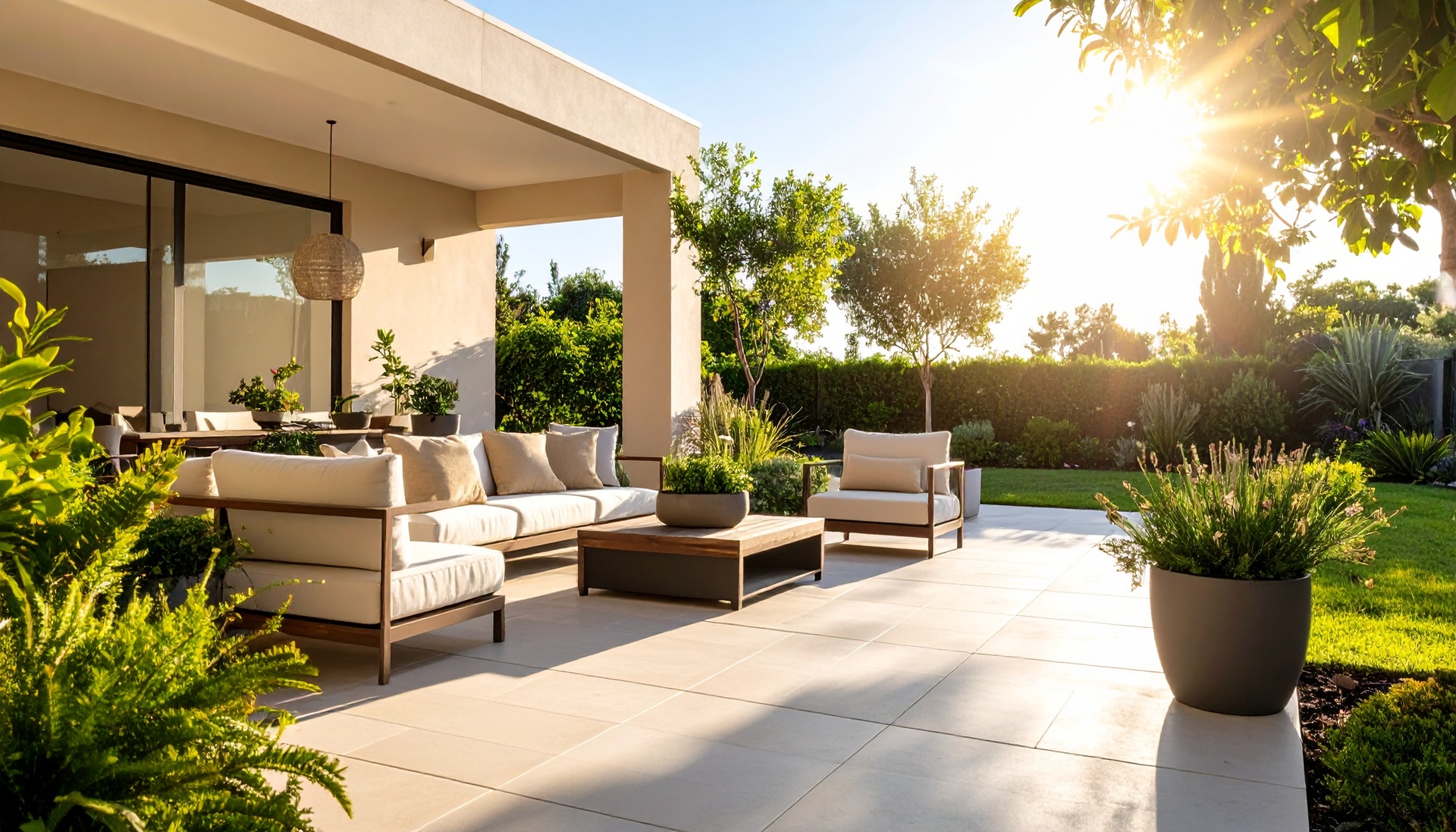
Rectified tiles are mechanically cut after firing to ensure uniform size and perfectly straight edges. Unlike traditional pressed tiles, which may vary slightly from piece to piece, rectified tiles are designed for consistency. This process allows tiles to be installed with much tighter grout joints, often as narrow as 1/16 inch.
That precision changes the entire look of a tiled surface. Lines appear sharper, transitions cleaner, and surfaces more architectural. Buyers may not know the technical term “rectified,” but they immediately recognize that the space looks more polished.
The visual clarity buyers respond to immediately
One of the strongest reasons rectified tile edges stand out is visual clarity. Narrow grout lines reduce visual clutter, allowing the tile itself to take center stage. Patterns read more clearly, large-format tiles feel uninterrupted, and rooms appear more expansive.
This clean-lined appearance aligns perfectly with modern buyer preferences, especially those influenced by contemporary, minimalist, and transitional design trends. Even in more traditional homes, rectified tile adds a subtle upgrade that feels intentional rather than trendy.
A showroom-quality finish at home
Rectified tile installations often resemble high-end showrooms or luxury hotels. Buyers subconsciously associate that look with higher value and better craftsmanship. Straight edges and tight joints create symmetry and balance—two qualities that naturally appeal to the eye.
This is especially noticeable in spaces like bathrooms and kitchens, where buyers tend to be detail-oriented. A shower wall with rectified tile looks cleaner. A kitchen backsplash appears sharper. Floors feel more structured and thoughtfully planned.
Why large-format tiles benefit the most
Rectified edges truly shine when paired with large-format tile. Larger tiles already reduce grout lines, but rectification takes that effect further by keeping lines straight and uniform across wide surfaces.
For today’s buyers, large-format rectified tile suggests modern construction and up-to-date design. It creates a seamless flow that feels current and elevated, whether used on floors, walls, or full-height backsplashes.
The perception of quality craftsmanship
Buyers may not consciously analyze installation techniques, but they instinctively recognize quality work. Rectified tiles require precise installation, flat subfloors, and experienced craftsmanship. When installed correctly, the results look deliberate and refined.
That perceived craftsmanship increases confidence. Buyers tend to trust homes where finishes appear carefully selected and professionally installed. Rectified tile edges quietly communicate that nothing was rushed or compromised.
Cleaner lines mean easier design coordination
Another reason rectified tile stands out is how well it integrates with other design elements. Clean tile edges pair effortlessly with modern cabinetry, floating vanities, frameless glass showers, and sleek hardware finishes.
This versatility appeals to buyers who want flexibility. Rectified tile does not lock a home into a single design era—it complements both warm and cool palettes, natural stone looks, wood-look tile, and minimalist color schemes.
How rectified edges influence resale perception
In competitive markets, small details can shape buyer perception. Rectified tile edges elevate a space without feeling flashy. They suggest a thoughtful upgrade rather than a bold design risk.
Buyers touring multiple homes often remember the ones that feel cleaner, sharper, and more cohesive. Rectified tile contributes to that memory. It becomes part of the overall impression that a home has been well cared for and tastefully updated.
Common misconceptions buyers may have
Some buyers assume tight grout lines are purely decorative, but they often appreciate the practical benefits once explained. Narrow grout joints can mean less visible grout maintenance and a more uniform appearance over time when installed with the right materials.
It is also important to note that rectified tile is not about being cold or sterile. When paired with the right textures, finishes, and lighting, it can feel warm, inviting, and timeless.
Where rectified tile makes the biggest impact
Rectified edges tend to stand out most in areas where buyers focus their attention:
Primary bathrooms, especially showers and feature walls
Kitchens, including floors and backsplashes
Entryways and open-concept living areas
Fireplaces and accent walls
In these spaces, precision matters. Straight lines and consistent spacing help define architectural features and enhance the overall flow of the home.
Precision tile installation backed by decades of experience
At Aroma’z Home, rectified tile is more than a trend—it is a design detail handled with care and expertise. Serving homeowners throughout South and Central Jersey from showrooms in Cinnaminson and Hamilton, NJ, our flooring experts guide each project from selection to installation with precision and craftsmanship. Visit one of our showrooms to explore rectified tile options and experience how the right edges can completely transform a space.